How Heat Treatment Removes Bed Bugs: Essential Equipment and Inspection Strategies
Heat treatment stands out as a reliable solution for eliminating bed bugs. By elevating temperatures beyond 120°F, it targets all life stages, including eggs. Critical equipment, such as thermal imaging cameras and fans, is instrumental in ensuring effective results. However, detailed inspections are necessary to identify infestations and common hiding spots. Understanding these elements is fundamental to a productive treatment. Which targeted methods can improve the success of this treatment?
Why Heat Treatment Is the Best Solution for Bed Bug Elimination
Heat treatment stands out as one of the most reliable approaches for exterminating bed bugs. This approach utilizes extreme heat, typically between 120°F and 140°F, to destroy all life stages of these pests, including eggs. In contrast to chemical treatments, which can necessitate repeated applications and tend to leave behind chemical residues, heat treatment penetrates into cracks, crevices, and furniture, ensuring thorough coverage.
Additionally, this technique is environmentally friendly, as it eliminates the use of hazardous pesticides, making it a safer choice for homes and workplaces alike. The efficacy of heat treatment is significant; evidence suggests that it can eradicate bed bugs within a matter of minutes of contact with fatal temperature thresholds. On top of that, heat treatment often takes less time than standard approaches, facilitating faster elimination of infestations. Given these advantages, heat treatment stands out as a dependable solution for individuals dealing with bed bug issues.
Essential Elements for Successful Heat Treatment
Effective heat treatment for eliminating bed bugs demands thorough preparation and appropriate equipment. Essential tools include high-capacity heaters, capable of reaching temperatures above 120°F, which is vital for killing bed bugs at all life stages. Thermal imaging cameras are useful for detecting temperature irregularities, guaranteeing that all areas receive sufficient heat. Furthermore, fans are check this required to efficiently circulate hot air, facilitating consistent temperature distribution across the treated area.
Safety equipment, including gloves and masks, is important for protection during the treatment process. Reliable temperature measurement tools, like thermocouples, enable precise tracking of temperature levels in various locations. A consistent energy source is necessary, as thermal treatment may necessitate prolonged operation times. Lastly, adequate insulation of the treatment areas helps maintain higher temperatures for longer durations, enhancing effectiveness. When properly prepared and equipped, the likelihood of complete bed bug removal significantly improve.
Identifying Bed Bug Hiding Spots in Your Home
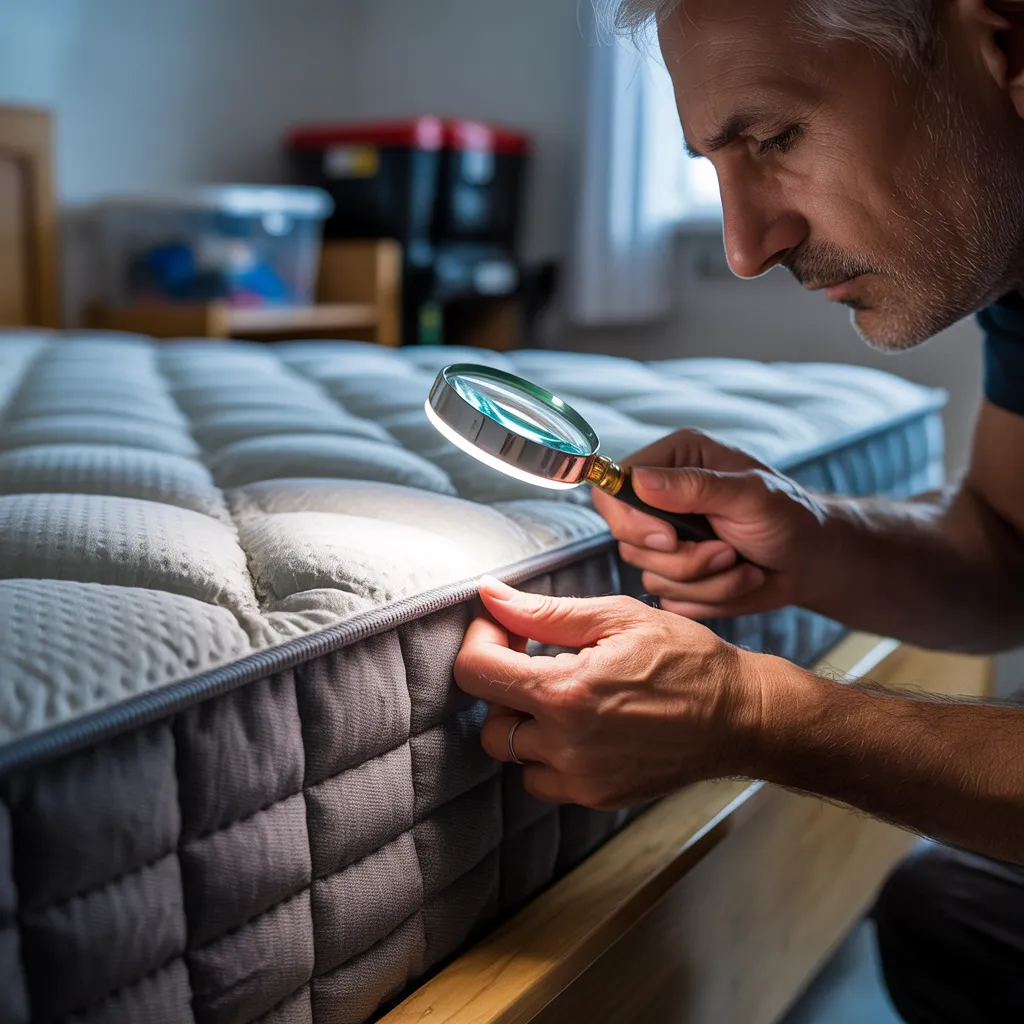
Where could bed bugs be hiding in a home? These pests are notorious for their ability to conceal themselves in various locations. Common hiding spots include the seams and folds of mattresses and box springs, where they can feed on sleeping occupants. Bed frames and headboards additionally function as perfect hiding places, frequently containing eggs and nymphs within their cracks.
Apart from bedding, bed bugs can infest furniture, particularly upholstered items such as sofas and chairs. They can also squeeze into cracks in flooring, walls, or baseboards. Disorganized spaces, including closets and nightstands, offer additional hiding spots for these pests to flourish.
Regular inspections of these locations can help identify infestations early. Homeowners should be vigilant, examining any suspected areas closely and considering the use of a flashlight to improve visibility. Understanding where bed bugs typically hide is essential for effective management.
Implementing Heat Treatment: A Complete Step-by-Step Guide
A methodical heat treatment strategy can successfully eliminate bed bugs from affected areas. The procedure starts with a comprehensive assessment to determine the scope of the infestation and the particular zones needing attention. Next, all items in the affected area should be removed or covered to prevent heat loss. The ambient temperature needs to be elevated to at least 120°F (49°C) with professional-grade heating equipment, guaranteeing uniform heat circulation across the entire area.
Monitoring devices should be placed to track temperature levels, as uniformity in temperature is vital for optimal results. After the desired temperature has been achieved and held for a minimum of 90 minutes, the procedure can be considered complete. Following the treatment, the area should be allowed to cool slowly, and a follow-up examination performed to verify the eradication of bed bugs. Lastly, all leftover belongings should be addressed or removed to avoid future infestations, ensuring a thorough approach to bed bug eradication.
Quick Steps to Keep Your Space Free from Bed Bugs
Keeping your living space free of bed bugs demands consistent preventive steps and careful attention. Consistent examinations of rest areas, including mattresses, box springs, and furnishings, are vital for spotting the first signs of a bed bug presence. Storing personal items away from the floor and applying protective covers to mattresses can significantly lower the chances of an infestation.
Decluttering spaces minimizes hiding spots for these pests, while consistently cleaning bedding and garments in hot water helps eliminate possible eggs and live bugs. Vacuuming on a consistent basis is critical, making sure the vacuum bag is discarded right away to prevent re-infestation.
Travelers should inspect lodging accommodations and keep luggage elevated off floors. Moreover, educating all household members about recognizing bed bugs and their signs enhances overall awareness and quick response. By following these practices consistently, one can effectively maintain a bed bug-free space and reduce the likelihood of an infestation.
Frequently Asked Questions
How Much Time Does Heat Treatment Need to Get Rid of Bed Bugs?
Heat treatment usually takes approximately six to eight hours to successfully eradicate bed bugs. The time required may vary depending on the infested area's size and the machinery employed during the extermination process.
Can Heat Treatment Cause Any Damage to My Belongings?
Heat treatment may damage fragile objects, like electronics, plastics, and artwork, due to elevated heat levels. However, most household items, particularly hard surfaces and textiles, typically withstand the treatment without notable harm or permanent effects.
Should I Perform Heat Treatment Myself or Hire a Professional?
People can choose to conduct heat treatment on their own or bring in a professional. At-home approaches may fall short of precision, while experts ensure thoroughness and safety. Evaluating the risks and results helps determine the most effective method for eliminating bed bugs.
What Temperature Is Necessary to Kill Bed Bugs Effectively?
To successfully eliminate bed bugs, heat levels need to reach no less than 118°F (48°C) over an extended duration. Greater temperature levels, approximately 130°F (54°C), can provide quicker results, guaranteeing the total elimination of all life cycle stages.
How Frequently Should I Repeat Heat Treatment for Optimal Results?
Repeating heat treatments every 2 to 4 weeks is recommended for best results. This schedule helps confirm any recently hatched bed bugs are destroyed, preventing re-infestation and ensuring a thorough elimination of the pests.